.png)
.png)


Feral Pig Control Victoria
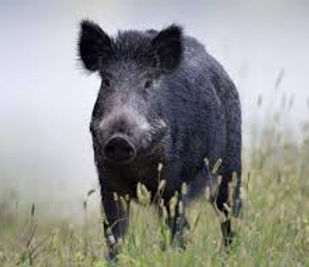
Feral pigs (Sus scrofa) are one of Australia's most damaging invasive species, causing significant economic losses to agriculture and widespread environmental devastation. They are found across approximately 45% of mainland Australia, primarily in the northern and eastern states, with their populations fluctuating widely but capable of rapid increase.
Feral pigs in Australia are descendants of domestic pigs (Sus scrofa) that were brought to Australia by the First Fleet in 1788 as livestock.
From these initial introductions, pigs escaped or were deliberately released for hunting purposes, establishing wild populations.
Control Methods
-
Ground shooting using shotguns
-
Ground shooting using Centrefire rifles Thermal / Nightvision
.jpg)
.jpg)
Economic & Enviromental impacts
Economic impacts
-
The economic impact of feral pigs on Australian agriculture is substantial. While precise, up-to-date national figures can vary, a widely cited estimate suggests they cause over $100 million in direct economic costs to the agricultural sector each year. Some recent regional studies indicate even higher localized costs.
-
Feral pigs are significant predators of newborn livestock, particularly lambs and goats. Studies have estimated lamb losses in semi-arid rangelands due to pig predation ranging from 18.7% to 32%. They can also prey on calves.
-
Pigs damage and consume a wide range of crops, including grain, sugarcane, fruit, and vegetables, leading to significant yield losses. For example, they are estimated to cause losses of 20,000 tonnes of sugarcane annually.
-
Feral pigs cause damage to farm infrastructure such as fences (by pushing through or digging under them) and irrigation systems.
Enviromental impacts
-
Feral pigs cause damage to farm infrastructure such as fences (by pushing through or digging under them) and irrigation systems.
-
They foul dams, waterholes, and other water sources through wallowing and defecation, reducing water quality for livestock and human use
-
Their rooting and trampling behaviour damages pastures, reducing their productivity for grazing livestock and competing with stock for feed.
-
This is a major and potentially catastrophic economic threat. Feral pigs are hosts and vectors for numerous endemic and exotic diseases and parasites that can affect domestic livestock and, in some cases, humans.